Physics Guide
Home
Practice
Mock Tests
Problems
Profile
About
Contact Us
0 Days
0 XP
Sign in
Back to Problems
F = ma (First 10)
Kinematics
FMA-2026-01 · 2026 F = ma (AAPT)
Save for later
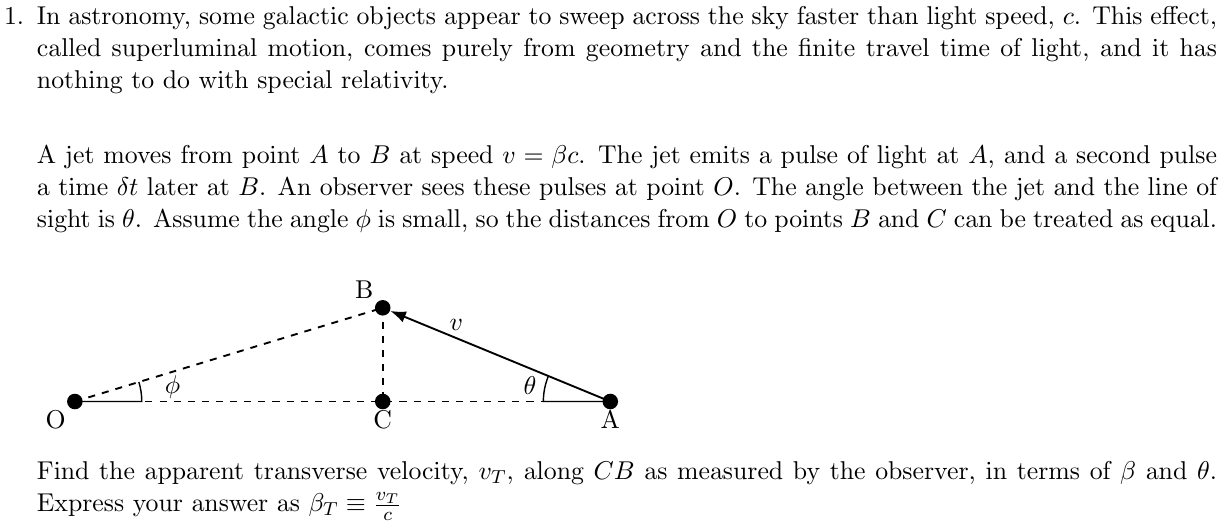
2026 F = ma Exam — Question 1
Source: Question 1, 2026 F = ma Exam, © 2026 American Association of Physics Teachers (AAPT) and the U.S. Physics Team. Adapted by PhysicsTrainer: reformatted into a separate question and answer choices for online multiple-choice practice; any shared setup from nearby questions is repeated here. Not affiliated with or endorsed by AAPT or the U.S. Physics Team.
A
B
C
D
E
Show calculator
Pencil
Back
Submit answer
Skip